

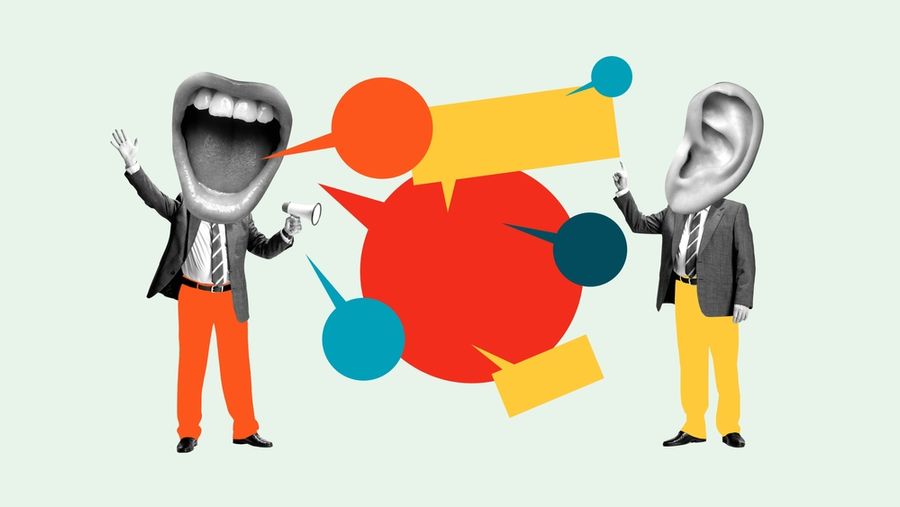
Strong communication skills shape how ideas are shared, relationships are built, and work gets done. Clear communication reduces misunderstandings, strengthens collaboration, and supports professional credibility. In fast-paced workplaces, the ability to express thoughts effectively and listen with intention becomes a key advantage. Communication extends beyond words, influencing trust, leadership presence, and teamwork. Improving workplace communication helps professionals navigate challenges confidently, contribute more effectively, and build stronger connections across teams and organizational levels.
Communicating With Clarity and Purpose
Clear communication begins with understanding the message and the audience. Knowing the goal of a conversation or message helps shape what information is necessary and what details can be left out. Clarity reduces confusion and keeps discussions focused, saving time and preventing misinterpretation.
Concise communication strengthens impact. Choosing simple, direct language improves understanding, especially in written communication such as emails or reports. Structuring thoughts before speaking or writing helps organize ideas logically. Clear communication builds credibility and ensures messages are received as intended, supporting smoother collaboration and decision-making.
Preparing Ahead for Important Conversations
Preparation strengthens confidence and effectiveness. Thinking through key points, supporting details, and possible questions allows communication to flow more smoothly. Preparation proves especially valuable during presentations, performance discussions, or negotiations.
Anticipating different perspectives supports calm, thoughtful responses. Preparation also involves understanding context, including timing, tone, and potential concerns. When communication feels intentional rather than reactive, messages land more clearly. Prepared professionals project confidence and reduce the likelihood of misunderstandings during high-stakes interactions.
Using Nonverbal Communication Effectively
Body language, facial expressions, and posture strongly influence how messages are received. Nonverbal cues often communicate emotion and intent more powerfully than words. Maintaining eye contact, open posture, and attentive expressions signals engagement and respect.
Awareness of nonverbal signals also helps interpret others’ responses. Crossed arms, lack of eye contact, or restlessness may indicate discomfort or confusion. Aligning verbal messages with supportive body language builds trust and clarity. Effective nonverbal communication strengthens presence and reinforces spoken words.
Practicing Active Listening Every Day
Listening forms the foundation of effective communication. Active listening involves fully focusing on the speaker rather than preparing a response mid-conversation. Giving undivided attention helps capture both content and emotion behind messages.
Paraphrasing, asking clarifying questions, and allowing pauses demonstrate understanding and respect. Active listening reduces conflict and improves collaboration by ensuring everyone feels heard. Strong listeners build rapport and gain deeper insights, making communication more productive and meaningful across workplace interactions.
Managing Tone and Emotional Awareness
Tone influences how messages are perceived, especially during sensitive or challenging conversations. Word choice, volume, and pacing all affect tone. A calm, respectful tone builds trust, while abrupt or emotional delivery may escalate tension.
Emotional awareness supports better tone control. Recognizing personal emotional triggers allows thoughtful responses rather than reactive ones. Pausing before responding, especially in written communication, helps maintain professionalism. Managing tone thoughtfully supports clearer dialogue and preserves positive working relationships.
Strengthening Written Communication Skills
Written communication plays a central role in modern workplaces. Emails, messages, and reports require clarity, professionalism, and structure. Proofreading reduces errors and ensures tone aligns with intent. Reading messages aloud helps identify unclear phrasing.
Understanding when written communication is appropriate versus face-to-face conversation improves effectiveness. Sensitive topics often benefit from verbal discussion rather than email. Strong writing skills improve productivity, reduce confusion, and leave positive impressions that support long-term professional credibility.
Adapting Communication for Different Work Styles
Workplaces bring together individuals with different personalities, communication preferences, and cultural backgrounds. Adapting communication style helps ensure messages resonate with diverse audiences. Some people prefer direct, concise updates, while others value context and discussion. Observing how colleagues communicate provides clues for adjusting tone and approach.
Flexibility strengthens collaboration and reduces friction. Adjusting communication style does not mean changing core values, but rather meeting others where they are. Clear expectations and thoughtful delivery support stronger relationships. Professionals who adapt their communication style build trust more easily and contribute to more inclusive, effective work environments.
Building Communication Skills for Long-Term Success
Communication skills grow through practice, reflection, and feedback. Seeking input from peers or mentors highlights strengths and areas for improvement. Regular self-awareness encourages continuous refinement of communication habits.
Long-term success depends on adaptability and empathy. Adjusting communication styles based on audience and situation strengthens relationships and collaboration. By prioritizing clarity, listening, and emotional intelligence, professionals build communication skills that support leadership, teamwork, and lasting career growth.