

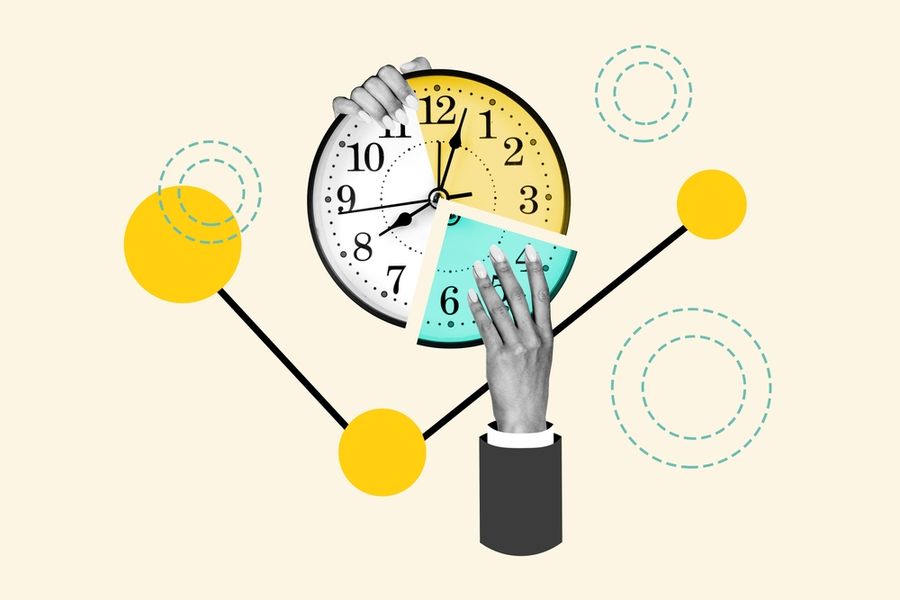
Busy schedules and constant demands make burnout a growing concern for many professionals. When time feels scarce, stress increases, and productivity often declines. Effective time management helps restore balance by creating structure, improving focus, and protecting energy throughout the workday. Rather than doing more in less time, smart time management emphasizes working with intention. By adopting strategies that support clarity and boundaries, professionals can stay productive, reduce overwhelm, and maintain long-term well-being without sacrificing performance or personal time.
Understanding Time Management and Its Benefits
Time management refers to the intentional planning and organization of tasks to use time effectively. It helps professionals prioritize responsibilities, reduce distractions, and create realistic schedules. When time is managed well, work feels more controlled and less reactive. Clear plans reduce mental clutter and make it easier to focus on what truly matters.
The benefits extend beyond productivity. Strong time management lowers stress, improves work quality, and supports a healthier work-life balance. Professionals who manage time effectively are less likely to feel constantly behind or overwhelmed. Over time, better time management protects mental health, increases job satisfaction, and reduces the risk of burnout.
Using the Pomodoro Technique to Improve Focus
The Pomodoro Technique breaks work into short, focused intervals, usually 25 minutes, followed by brief breaks. This approach supports concentration while preventing mental fatigue. Working in short bursts makes tasks feel more manageable and encourages sustained attention.
Regular breaks allow the brain to reset, improving overall productivity. The technique works well for tasks that require deep focus or feel overwhelming. By limiting how long attention is required at one time, professionals reduce exhaustion and maintain energy. Over time, Pomodoro-style work sessions support consistency and prevent burnout caused by prolonged, uninterrupted work.
Applying the Eat the Frog Method
Eat the Frog focuses on completing the most challenging or important task first. Tackling demanding work early prevents procrastination and reduces anxiety that builds when difficult tasks linger. Completing a major task early creates momentum and a sense of accomplishment.
This approach supports better energy use, as focus and willpower tend to peak earlier in the day. Finishing priority work first also frees mental space for smaller tasks later. Eat the Frog helps professionals avoid burnout by reducing decision fatigue and preventing stressful task accumulation throughout the day.
Time Blocking for Better Structure and Boundaries
Time blocking involves scheduling specific blocks of time for focused work, meetings, and personal tasks. Assigning time slots helps reduce multitasking and improve concentration. Visual schedules make it easier to see where time goes and identify overcommitment.
Time blocking also encourages boundaries by protecting time for deep work and rest. Scheduling breaks and personal tasks supports balance and recovery. Over time, time blocking creates predictable rhythms that reduce stress and increase control. Structure helps professionals avoid burnout caused by constant interruptions and unclear priorities.
Delegating and Letting Go of Control
Delegation plays a critical role in sustainable time management. Trying to handle everything alone increases workload and stress. Delegating appropriate tasks frees time for higher-priority responsibilities and reduces burnout risk.
Effective delegation requires trust and clear communication. Assigning tasks based on strengths improves outcomes and builds team confidence. Letting go of unnecessary control allows professionals to focus on strategic work rather than constant task management. Delegation supports collaboration, efficiency, and healthier workload distribution.
Setting Boundaries and Managing Distractions
Distractions erode productivity and extend workdays unnecessarily. Setting boundaries around notifications, meetings, and availability protects focus. Limiting constant interruptions reduces mental strain and supports deeper work.
Establishing clear start and end times for work helps prevent overworking. Communicating availability expectations with colleagues supports mutual respect. Reducing digital distractions and scheduling focused work periods improves efficiency. Over time, boundaries protect energy and reduce burnout caused by constant responsiveness and lack of recovery time.
Creating Sustainable Workdays That Protect Well-Being
Avoiding burnout requires viewing time management as a long-term practice rather than a quick fix. Sustainable routines balance productivity with rest and recovery. Building flexibility into schedules allows adaptation during busy periods without constant overload.
Consistent time management habits support clarity, confidence, and resilience. Protecting time for focused work, breaks, and personal priorities reduces stress and improves performance. When time aligns with values and limits are respected, professionals maintain motivation and well-being. Thoughtful time management creates workdays that support success without sacrificing health or fulfillment.