

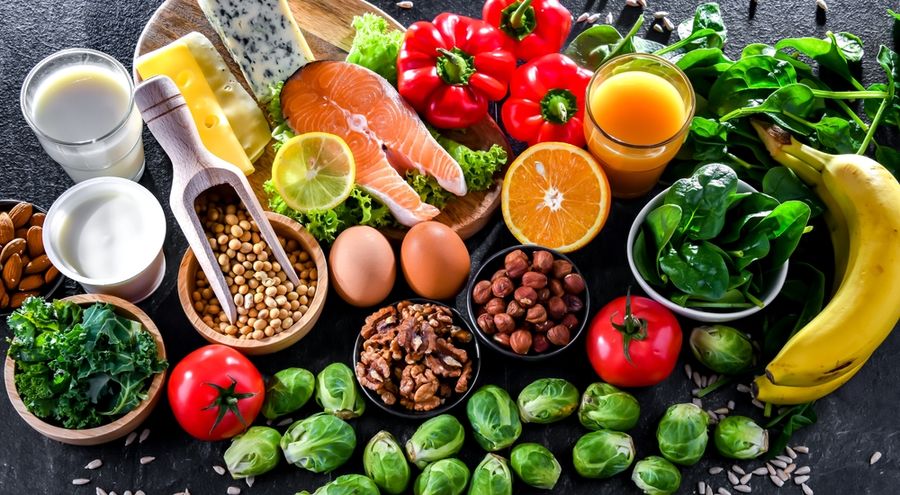
Strong bones support movement, posture, and long-term independence, yet bone health often receives attention only later in life. Nutrition plays a powerful role in maintaining bone density, flexibility, and resilience from early adulthood through the aging years. Every day food choices supply minerals, vitamins, and proteins that help bones rebuild and repair naturally. A balanced diet rich in supportive nutrients can reduce fracture risk, ease joint discomfort, and promote overall skeletal strength, making food one of the most effective tools for lifelong bone health.
Calcium-Rich Foods That Build Bone Density
Calcium forms the structural foundation of bones, making adequate intake essential for maintaining strength and stability. Dairy products such as milk, yogurt, and cheese remain well-known sources, offering calcium alongside protein and other supportive minerals. Fortified plant-based options like almond milk, soy milk, and tofu provide alternatives for individuals avoiding dairy while still supporting bone density.
Consistency matters when it comes to calcium intake, as the body constantly remodels bone tissue. Leafy greens such as kale, collard greens, and bok choy also contribute meaningful amounts of calcium. Including calcium-rich foods throughout the day helps prevent bone loss and supports areas that endure frequent stress, including wrists, hips, shoulders, and knees.
Vitamin D Sources That Improve Calcium Absorption
Vitamin D plays a critical role by helping the body absorb calcium effectively. Without sufficient vitamin D, even a calcium-rich diet may fall short in supporting bone health. Fatty fish like salmon , sardines, and mackerel offer natural vitamin D along with omega-3 fatty acids. Egg yolks and fortified foods such as cereals and dairy products also contribute to daily intake.
Sunlight exposure supports natural vitamin D production, though diet remains important, especially during colder months. Regular inclusion of vitamin D–rich foods supports bone mineralization and overall skeletal strength. Balanced vitamin D levels also assist muscle function, which further protects bones by improving stability and reducing fall risk.
Magnesium and Whole Foods That Support Bone Structure
Magnesium supports bone formation and helps regulate calcium levels within the body. Whole grains such as oats , quinoa, and brown rice provide magnesium along with fiber that supports digestive health. Nuts and seeds, including almonds, pumpkin seeds, and cashews, deliver concentrated magnesium in small portions.
Legumes such as black beans and lentils also contribute magnesium while providing plant-based protein. Adequate magnesium intake supports the activity of vitamin D and helps guide calcium to bone tissue. Over time, diets rich in magnesium help preserve bone density and reduce the risk of age-related bone thinning.
Vitamin K Foods That Aid Bone Mineralization
Vitamin K plays an important role in activating proteins responsible for binding calcium to bone tissue. Leafy green vegetables such as spinach, kale, and Swiss chard serve as excellent sources. Fermented foods like natto, certain cheeses, and yogurt contain vitamin K2, a form particularly beneficial for bone metabolism.
Regular consumption of vitamin K–rich foods supports proper mineral placement, ensuring calcium strengthens bones rather than accumulating in soft tissues. Including a variety of greens and fermented foods promotes stronger bones while also supporting heart and joint health. Balanced vitamin K intake works alongside calcium and vitamin D for optimal skeletal support.
Protein Sources That Strengthen Bone Framework
Protein supports the collagen matrix that gives bones flexibility and resilience. Without adequate protein, bones may become brittle despite sufficient mineral intake. Lean meats, poultry, fish, eggs, and dairy provide complete proteins that support bone and muscle strength. Plant-based options such as beans, lentils, tofu, and soybeans also contribute valuable protein.
Balanced protein intake supports bone repair and reduces fracture risk, especially in older adults. Pairing protein-rich foods with calcium sources further enhances bone strength. Daily meals that include moderate protein portions help maintain both skeletal structure and overall physical function.
Anti-Inflammatory Foods That Protect Bones and Joints
Chronic inflammation can weaken bones and surrounding joint tissue over time. Foods rich in omega-3 fatty acids , such as salmon, walnuts, and flaxseeds, help reduce inflammation and support joint comfort. Olive oil provides healthy fats that protect connective tissue and promote overall musculoskeletal health.
Fruits and vegetables rich in antioxidants, including berries and citrus fruits, help combat oxidative stress that contributes to bone loss. Incorporating anti-inflammatory foods into regular meals supports bone longevity while improving joint mobility and comfort. Long-term dietary patterns focused on inflammation control contribute to healthier bones and improved quality of life.
Nourishing Bones Through Everyday Food Choices
Strong bones benefit most from consistent, balanced nutrition rather than occasional dietary changes. Combining calcium-rich foods with vitamin D, magnesium, vitamin K, protein, and anti-inflammatory nutrients creates a supportive environment for bone maintenance. Simple habits such as adding leafy greens to meals, choosing whole grains, and including fatty fish regularly can make a lasting difference.
Bone health reflects long-term choices made daily. Thoughtful food selection supports not only skeletal strength but also joint comfort, balance, and mobility. Over time, a nutrient-dense diet helps preserve independence, reduces injury risk, and supports an active lifestyle well into later years.