

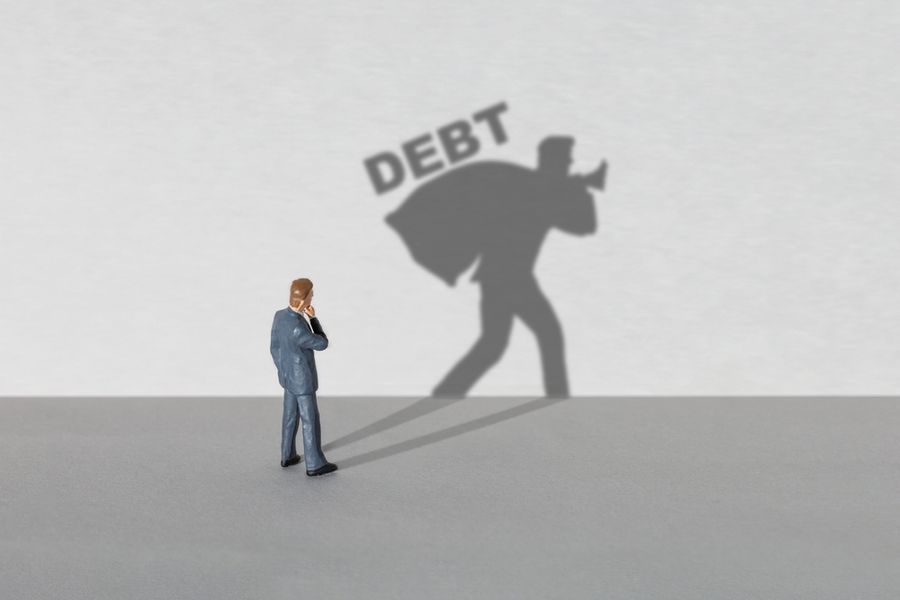
Carrying debt can feel overwhelming, especially when financial advice seems to demand extreme sacrifices. Fortunately, paying off debt doesn't require eliminating every enjoyment or living on a bare-bones budget. Strategic planning, realistic goals, and thoughtful prioritization allow steady progress while preserving quality of life. By choosing repayment methods that align with personal habits and financial realities, debt reduction becomes sustainable rather than stressful. A balanced approach helps maintain motivation, protect mental well-being, and support long-term financial stability.
Understanding Your Debt and Creating a Clear Plan
Successful debt repayment starts with understanding the full picture. Listing balances, interest rates, minimum payments, and due dates creates clarity and control. Knowing exactly what is owed removes uncertainty and allows informed decisions. Organizing debts also highlights which balances cost the most in interest over time.
A clear plan prevents reactive decisions driven by stress. Setting specific goals, such as reducing total debt by a certain amount within a year, builds focus. Tracking progress reinforces motivation and accountability. A structured plan transforms debt from a source of anxiety into a manageable financial project.
The Debt Avalanche Method for Faster Interest Savings
The debt avalanche method prioritizes debts with the highest interest rates first. Minimum payments continue on all balances, while extra funds target the highest-interest debt. Once that balance is cleared, focus shifts to the next highest rate. Over time, less money goes toward interest charges.
That strategy works well for individuals motivated by long-term savings. Although early progress may feel slower, overall payoff time and total interest costs decrease. The avalanche approach suits analytical thinkers who value efficiency and want to reduce debt with minimal financial waste.
The Debt Snowball Method for Motivation and Momentum
The debt snowball method focuses on paying off the smallest balances first, regardless of interest rate. Clearing smaller debts quickly creates visible progress and emotional momentum. Each paid-off balance builds confidence and reinforces commitment to the plan.
Motivation plays a powerful role in financial behavior. For many individuals, early wins matter more than interest optimization. The snowball approach supports consistency by making progress feel achievable. That method often works well for individuals who struggle with staying motivated over long repayment timelines.
Debt Consolidation as a Simplification Strategy
Debt consolidation combines multiple balances into a single loan or payment. Options include personal loans, balance transfer credit cards, or refinancing programs. Consolidation simplifies tracking and may reduce interest rates, making repayment more manageable.
Careful evaluation remains important. Lower interest rates and favorable terms determine whether consolidation offers real savings. Avoiding new debt during repayment ensures success. Consolidation works best when paired with disciplined spending habits and a clear repayment plan that prevents balances from growing again.
Making Room for Debt Payments Without Extreme Cutbacks
Debt repayment becomes more sustainable when lifestyle balance remains intact. Identifying small, low-impact adjustments often frees extra funds without major sacrifice. Reviewing subscriptions, negotiating bills, or redirecting occasional windfalls support progress without daily deprivation.
Increasing income also accelerates repayment. Temporary side work, bonuses, or raises can supplement monthly payments. Directing extra income toward debt while maintaining core lifestyle comforts reduces burnout. Sustainable changes encourage long-term consistency rather than short-lived intensity.
Building Habits That Prevent Future Debt
Paying off debt works best alongside habits that prevent new balances. Creating an emergency fund reduces reliance on credit during unexpected expenses. Even small savings buffers provide protection and peace of mind.
Mindful spending habits support lasting results. Tracking expenses, setting spending limits, and using credit intentionally reduce the risk of relapse. Education around interest rates and financial products strengthens decision-making. Long-term success depends not only on eliminating debt but also on maintaining healthier financial behaviors.
Creating Financial Freedom Without Losing Balance
Debt freedom does not require abandoning enjoyment or comfort. Thoughtful strategies, realistic pacing, and flexible planning support progress while preserving lifestyle satisfaction. Choosing methods aligned with personal motivation and habits increases success.
Consistency remains more powerful than perfection. Small, steady actions compound into meaningful results over time. Paying off debt while maintaining balance builds confidence, resilience, and financial independence, creating space for future goals without unnecessary stress or sacrifice. A flexible approach encourages progress without guilt, helping debt repayment feel empowering rather than restrictive. Long-term financial health grows stronger when plans support both stability and enjoyment.